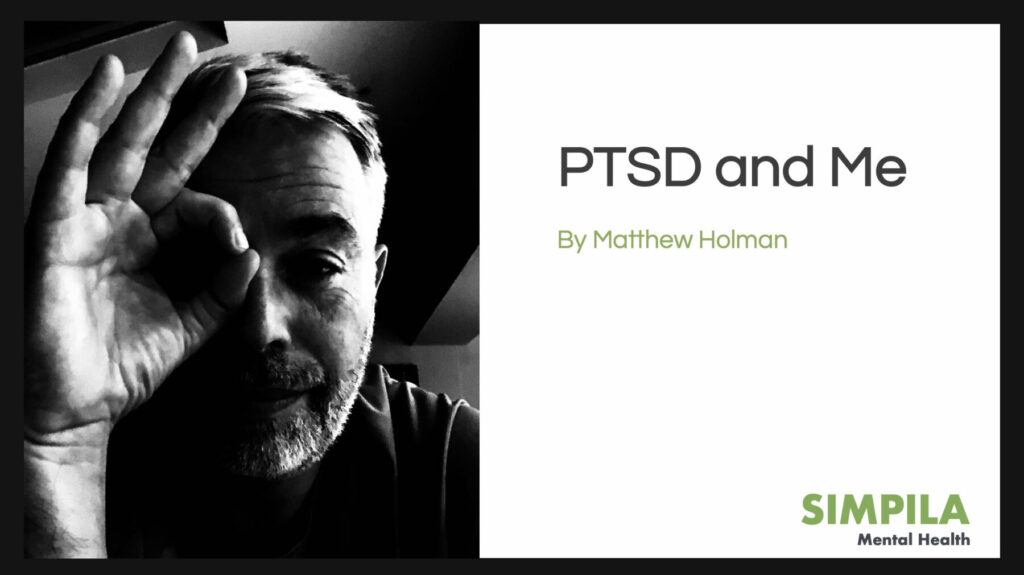
It’s 3am, the world is asleep, my mind is racing. Reliving the same story, at the same time every single night. Like an alarm clock being triggered it starts again, I can hear the voices, I am in the room, I am walking through a whole week, and then the moment happens again… ‘Matt can I borrow you for a minute’, we enter the meeting room (not my bosses office), I worry something bad has happened to someone, and then I am confronted with 2 people from HR and my boss, the following words will never leave my ears ‘we are terminating your contract with immediate effect’. No discussion, no reason given, just a 20 year career gone in 8 words.
I awaken in a sweat.. and still alas I don’t know why I lost my job. This event happened on 15th January 2016. The pain, anger and recurring feeling happened for a period of at least 6 months following the original impact and change.
Even writing this is reconnecting me with the feelings, the deep rooted anxiety, feeling a failure, worthless and helpless. I still struggle with anxiety today, but I have learned through time to manage the impact.
It took me a long time to admit to anyone that I was struggling, I would pretend I was fine, but inside know this was not true. Below I have outlined the symptoms of PTSD, of which I can honestly say that I have experienced many of these personally.
According to Mind the Symptoms of PTSD can include:
Reliving aspects of what happened
Including:
- vivid flashbacks (feeling like the trauma is happening right now)
- intrusive thoughts or images
- nightmares
- intense distress at real or symbolic reminders of the trauma
- physical sensations such as pain, sweating, nausea or trembling.
Alertness or feeling on edge
Including:
- panicking when reminded of the trauma
- being easily upset or angry
- extreme alertness, also sometimes called ‘hypervigilance’
- disturbed sleep or a lack of sleep
- irritability or aggressive behaviour
- finding it hard to concentrate – including on simple or everyday tasks
- being jumpy or easily startled
- other symptoms of anxiety.
Avoiding feelings or memories
This can include:
- feeling like you have to keep busy
- avoiding anything that reminds you of the trauma
- being unable to remember details of what happened
- feeling emotionally numb or cut off from your feelings
- feeling physically numb or detached from your body
- being unable to express affection
- doing things that could be self-destructive or reckless
- using alcohol or drugs to avoid memories.
During the first months of the struggles I felt a failure, worthless, helpless and even to this day I feel that nobody would ever employ me again in the future.
But, I feel lucky that I was able to eventually be honest and true about my experience. I was surrounded by kind and caring people who were there for me, and gave me opportunities to help myself and in turn provide help to them and others around me.
“The conflict between the will to deny horrible events and the will to proclaim them aloud is the central dialectic of psychological trauma.”
― Judith Lewis Herman
This experience has unlocked my purpose now, to help improve conversations and connections to mental health for everyone. Off of the back of this experience I created my own company Simpila Mental Health to help bring greater awareness, education and support these important topics. Thankfully this experience and many others through my life have fuelled me to do more.
If you are struggling with the impact of events that change your world, please know that it is ok, you are allowed to feel the emotions and challenges, but to come through these experiences it is good to talk, good to be open with others, and good to take steps to help yourself.
If you need a safe space to talk you can always call Samaritans 116 123 or Text SHOUT to 85258.
References